
Quick answer
Udawalawe in January offers reliable elephant sightings, green grasslands after the rains and plenty of migrant birds. The weather is mostly dry, with hot middays. Take a morning or afternoon safari of about three to four hours, visit the Elephant Transit Home at feeding time and combine the park with a drive between Ella and the south coast. Sightings are likely but never guaranteed.
Key takeaways
- Udawalawe is excellent for elephants in January.
- Grasslands are green after the rains.
- Migrant birds are at their peak.
- The Elephant Transit Home cares for orphaned calves.
- It sits between the hills and the south coast.
Weather and landscape in January
Udawalawe lies in the dry zone, and January is mostly dry, with hot middays of about 31 to 32°C and fresh mornings. After the rains of late year, the grasslands are green and the Udawalawe reservoir is full.
Tall grass can sometimes hide smaller animals, but elephants are easy to spot in open areas. Water is plentiful, so animals are spread out rather than concentrated at waterholes.
The early morning and late afternoon are the best times for a safari, when animals are active and the light is soft.
The reservoir on the park's edge is a highlight in January. Its shores attract elephants in the late afternoon, along with water buffalo, crocodiles and wading birds, and the light over the water is often beautiful at the end of a drive.
- →Mostly dry, hot middays.
- →Green grasslands and full reservoir.
- →Best in early morning and late afternoon.
Elephants in January
Udawalawe has a large resident population of elephants, and sightings are very likely on most safaris. Herds with young calves are often seen grazing near the tracks, and bulls sometimes approach jeeps closely.
Unlike Minneriya, where herds gather in large numbers later in the year, Udawalawe's elephants are present year-round. This makes it the most reliable elephant park for a January trip.
Respect the animals' space. Ask your driver not to approach too closely, avoid loud noise and never feed elephants, which can make them aggressive towards vehicles.
- →Very likely sightings.
- →Herds with calves.
- →Keep a respectful distance.
Birds and other wildlife
January is excellent for birds at Udawalawe, with resident species joined by migrants from the north. Raptors such as crested serpent eagles and changeable hawk-eagles are common, along with bee-eaters, peafowl and water birds at the reservoir.
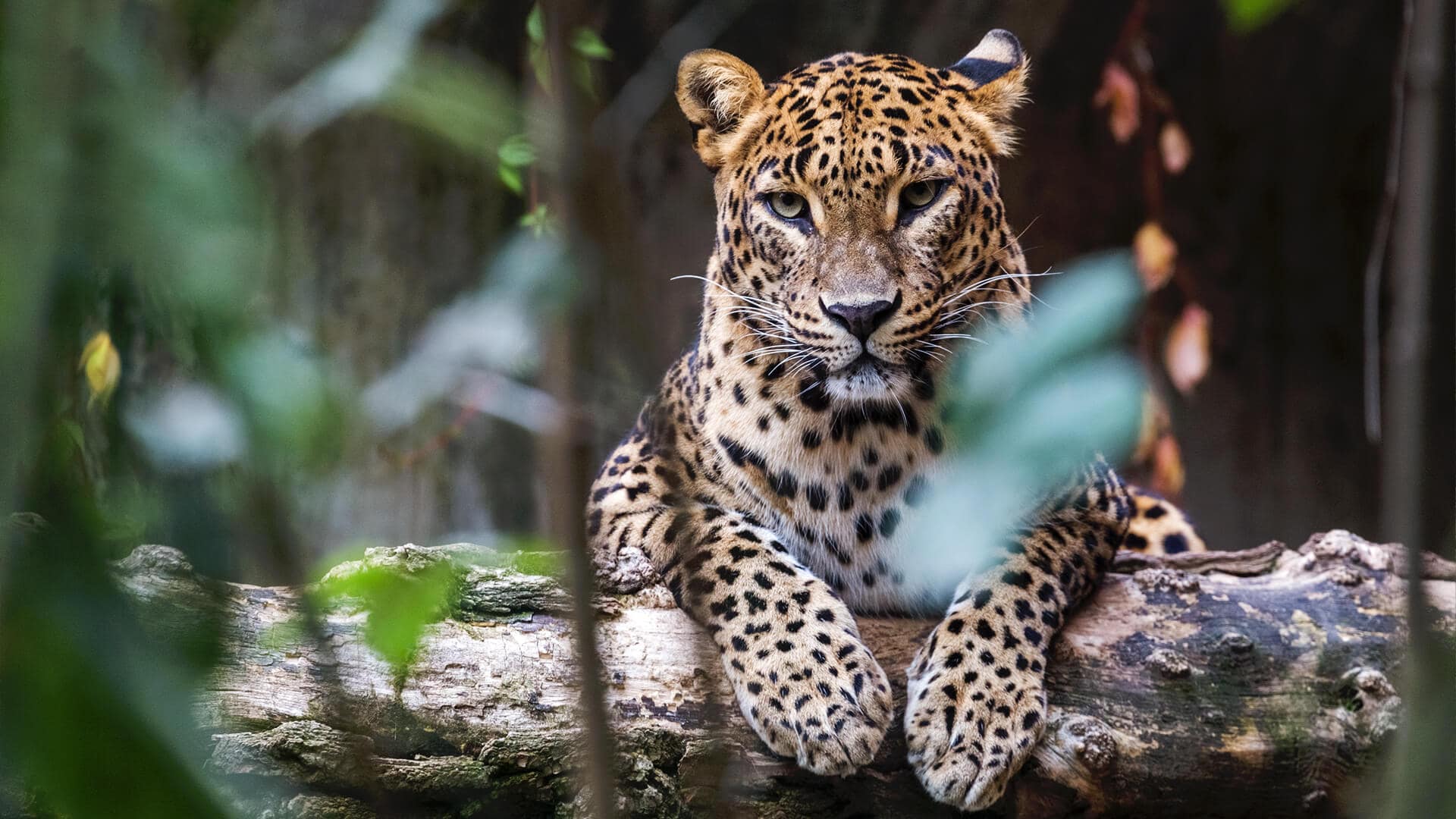
Other wildlife includes water buffalo, spotted deer, jackals, mongooses and crocodiles. Leopards are present but rarely seen.
A pair of binoculars and a guide with a bird list add a lot to a January safari, even for visitors who come mainly for the elephants.
The Elephant Transit Home
The Elephant Transit Home, near the park entrance, cares for orphaned elephant calves and prepares them for release back into the wild. Visitors can watch the calves at feeding time from a viewing platform.
Feeding takes place several times a day. Check the schedule and arrive a little early. The visit is short but memorable, especially for children.
The project focuses on rehabilitation rather than tourism, and visitors cannot touch or interact with the calves directly.
- →Orphaned calves.
- →Viewing at feeding time.
- →Rehabilitation, not tourism.
Planning a safari
Safaris last about three to four hours. Morning drives start around six, and afternoon drives around two or three. Jeeps can be booked through hotels, guesthouses or at the entrance.
January is high season, so the park can be busy with jeeps, especially in the morning. An afternoon drive may be quieter.
Lankan Stays & Trails often includes Udawalawe on January routes between Ella and the south coast, timing the drive so guests arrive for an afternoon safari and continue to the beach the next morning.
Bring a hat, sunscreen, water, binoculars and a light layer for the early morning. Jeeps are open-sided, and dust can be thick on the tracks, so a scarf is useful. Most guesthouses near the park pack breakfast for morning drives.
- →Three to four hours.
- →Morning or afternoon drives.
- →Afternoons can be quieter.
Fitting Udawalawe into a route
Udawalawe is about two hours from Ella and about two hours from the south coast at Tangalle or Mirissa. It fits naturally between the hills and the beach.
Some travellers stay a night near the park, while others visit on a day drive. A night allows both a morning and an afternoon safari.
Yala is about two hours further east and offers a different experience, with leopards and coastal scenery. Many January routes include one or both parks.
- →About two hours from Ella.
- →About two hours from the south coast.
- →Yala about two hours east.
Frequently asked questions
Is Udawalawe good in January?
Yes. January is a good month for Udawalawe, with reliable elephant sightings, green grasslands and plenty of migrant birds. The weather is mostly dry. Safaris in the early morning or late afternoon are best, avoiding the hot midday.
Will I see elephants in Udawalawe?
Very likely. Udawalawe has a large resident elephant population, and sightings are common on most safaris year-round. Herds with calves are often seen near the tracks. As with all wildlife, sightings are likely but never guaranteed.
How long is a safari in Udawalawe?
Most safaris last about three to four hours. Morning drives start around six, and afternoon drives around two or three. A full-day safari is possible but less common, since the midday heat makes animals less active.
What is the Elephant Transit Home?
It is a rehabilitation centre near the park entrance that cares for orphaned elephant calves and prepares them for release into the wild. Visitors can watch feeding time from a viewing platform. It focuses on conservation, so visitors cannot touch the calves.
Is Udawalawe better than Yala?
They are different. Udawalawe is best for elephants, with very reliable sightings. Yala offers a chance of leopards, sloth bears and a wider variety of landscapes, but it is busier. Many travellers include both on a January route.
How far is Udawalawe from Ella?
Udawalawe is about two hours from Ella by road, and about two hours from Tangalle or Mirissa on the south coast. It fits naturally between the hills and the beach on a January route, often with an afternoon safari on the travel day.
Is Udawalawe crowded in January?
It can be busy with jeeps in high season, especially on morning drives and weekends. Elephants are spread across the park, so crowding at a single sighting is less common than at Yala. An afternoon drive is often quieter and ends with soft light over the reservoir.