
Quick answer
Sigiriya lies within a protected wildlife sanctuary, and the site is rich in animals. Toque macaques and grey langurs are common on the paths and stairs, mugger crocodiles live in the moats, and the gardens and forest hold many birds, including kingfishers, hornbills, bee-eaters and peafowl. Wild elephants live in the surrounding forest. Keep food sealed from the monkeys, stay back from the moats and never feed any animal.
Key takeaways
- Sigiriya lies within a protected wildlife sanctuary of dry-zone forest.
- Toque macaques and grey langurs are common on the site, and macaques will snatch food and open bags.
- Mugger crocodiles live in the Sigiriya moats and are often seen basking on the banks.
- Kingfishers, bee-eaters, hornbills, peafowl and many water birds can be seen in the gardens and around the tank.
- Wild elephants live in the forest around Sigiriya and are best seen on safari at nearby parks.
Sigiriya as a sanctuary
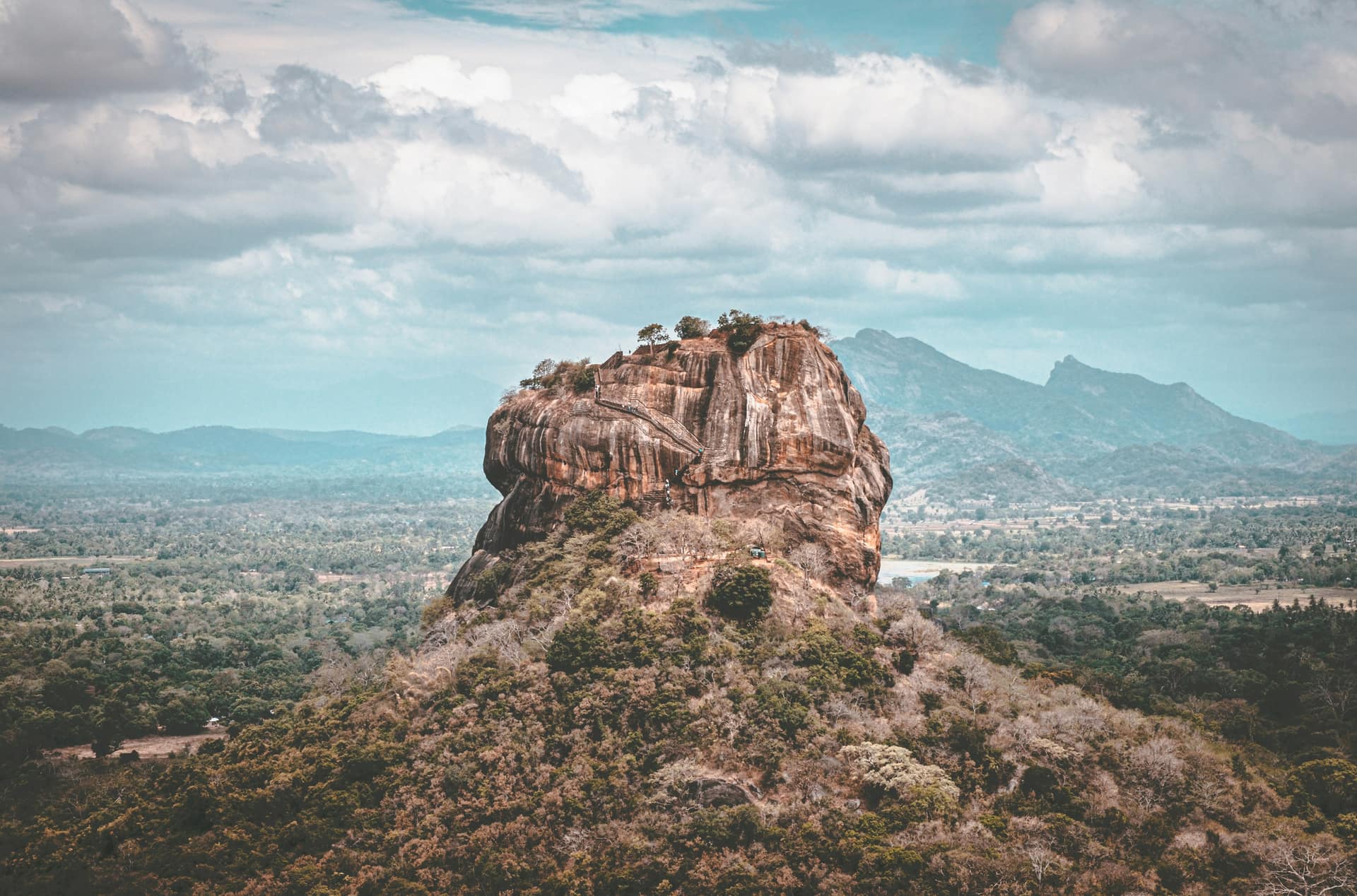
The land around Sigiriya is protected as a wildlife sanctuary, which links it with the forests of the wider Cultural Triangle. That protection, and the water held in the moats and Sigiriya Wewa, make the site unusually rich in wildlife for a place with so many visitors.
The best times to see animals at Sigiriya are the same as the best times to climb: at opening, around 7am, and in the late afternoon, when the site is quieter and animals are more active.
Monkeys at Sigiriya
Two monkeys are common at Sigiriya. Toque macaques, small reddish-brown monkeys with a distinctive cap of hair, are endemic to Sri Lanka and very bold. They will snatch food, open unzipped bags and grab water bottles. Tufted grey langurs, larger, long-tailed and grey with dark faces, are generally shyer and feed on leaves.
Keep food sealed and out of sight, zip bags closed, and do not eat in front of macaques on the stairs or summit. Never feed them: feeding is what makes them aggressive.
- →Toque macaques: small, bold, endemic, will snatch food.
- →Tufted grey langurs: larger, grey, shy, leaf-eaters.
- →Keep food sealed and bags zipped.
- →Never feed the monkeys.
Crocodiles in the moats
Mugger crocodiles live in the moats around Sigiriya and are often seen basking on the banks or floating near the surface, especially in the morning. They are easy to see from the causeway across the inner moat.
Stay on the paths, keep children close near the water, and never climb down to the edge for a photograph. Water monitors, large lizards often mistaken for small crocodiles, are also common around the moats and gardens.
Birds at Sigiriya
Sigiriya's mix of forest, gardens and water makes it good for birdwatching, even on a casual visit. The moats and tank attract water birds, the gardens attract colourful species, and the forest edges hold larger birds.
- →Kingfishers: several species around the moats and tank.
- →Bee-eaters: on wires and bare branches in the gardens.
- →Hornbills: Malabar pied hornbills and grey hornbills in taller trees.
- →Peafowl: common in the scrub around the site.
- →Water birds: egrets, herons, cormorants and darters on the moats.
- →Raptors: serpent eagles and others soaring past the rock.
Elephants near Sigiriya
Wild elephants live in the forests around Sigiriya and occasionally move close to the village, especially at night. You are unlikely to see them on the site itself, but they are one reason not to walk or cycle on rural roads after dark.
For a proper sighting, take a jeep safari at Minneriya, Kaudulla or Hurulu Eco Park, all within roughly an hour of Sigiriya. The park to choose depends on the season and where the herds are.
Behaving well around Sigiriya's wildlife
The rules are simple: never feed any animal, keep a respectful distance, keep food sealed and do not try to touch or pose with monkeys. Keep quiet near the wasp and hornet colonies on the upper rock face.
Lankan Stays & Trails guides carry binoculars on Sigiriya mornings, and a slow walk through the water gardens with someone who knows the birds often turns into one of the unexpected highlights of the day.
- →Never feed any animal.
- →Keep a respectful distance.
- →Keep food sealed and bags zipped.
- →Bring binoculars for birds.
Frequently asked questions
Are there monkeys at Sigiriya?
Yes. Toque macaques and tufted grey langurs are common on the paths and stairs. Macaques are bold and will snatch food or open bags, so keep food sealed and bags zipped, and never feed them.
Are there crocodiles at Sigiriya?
Yes. Mugger crocodiles live in the Sigiriya moats and are often seen basking on the banks, especially in the morning. Stay on the paths and causeways and keep children close near the water.
Is Sigiriya good for birdwatching?
Yes. The mix of forest, gardens, moats and tank attracts kingfishers, bee-eaters, hornbills, peafowl, egrets, cormorants and raptors. Early morning is best. Bring binoculars and walk the water gardens slowly.
Are there elephants at Sigiriya?
Wild elephants live in the forests around Sigiriya but are rarely seen on the site. For reliable sightings, take a jeep safari at Minneriya, Kaudulla or Hurulu Eco Park, all within roughly an hour.
Are the monkeys at Sigiriya dangerous?
They are not usually dangerous, but macaques can be aggressive around food and may snatch bags, bottles or sunglasses. Keep food out of sight, avoid eating near them and do not make eye contact or try to touch them.
What is the lizard at Sigiriya?
Large lizards around the moats and gardens are usually water monitors, which can grow long and are sometimes mistaken for small crocodiles. Smaller land monitors and garden lizards are also common. None are a threat if left alone.
Is Sigiriya a wildlife sanctuary?
Yes. The land around Sigiriya is protected as a wildlife sanctuary, linking it with the forests of the wider Cultural Triangle. The protection, and the water in the moats and tank, explain the site's rich wildlife.