
Quick answer
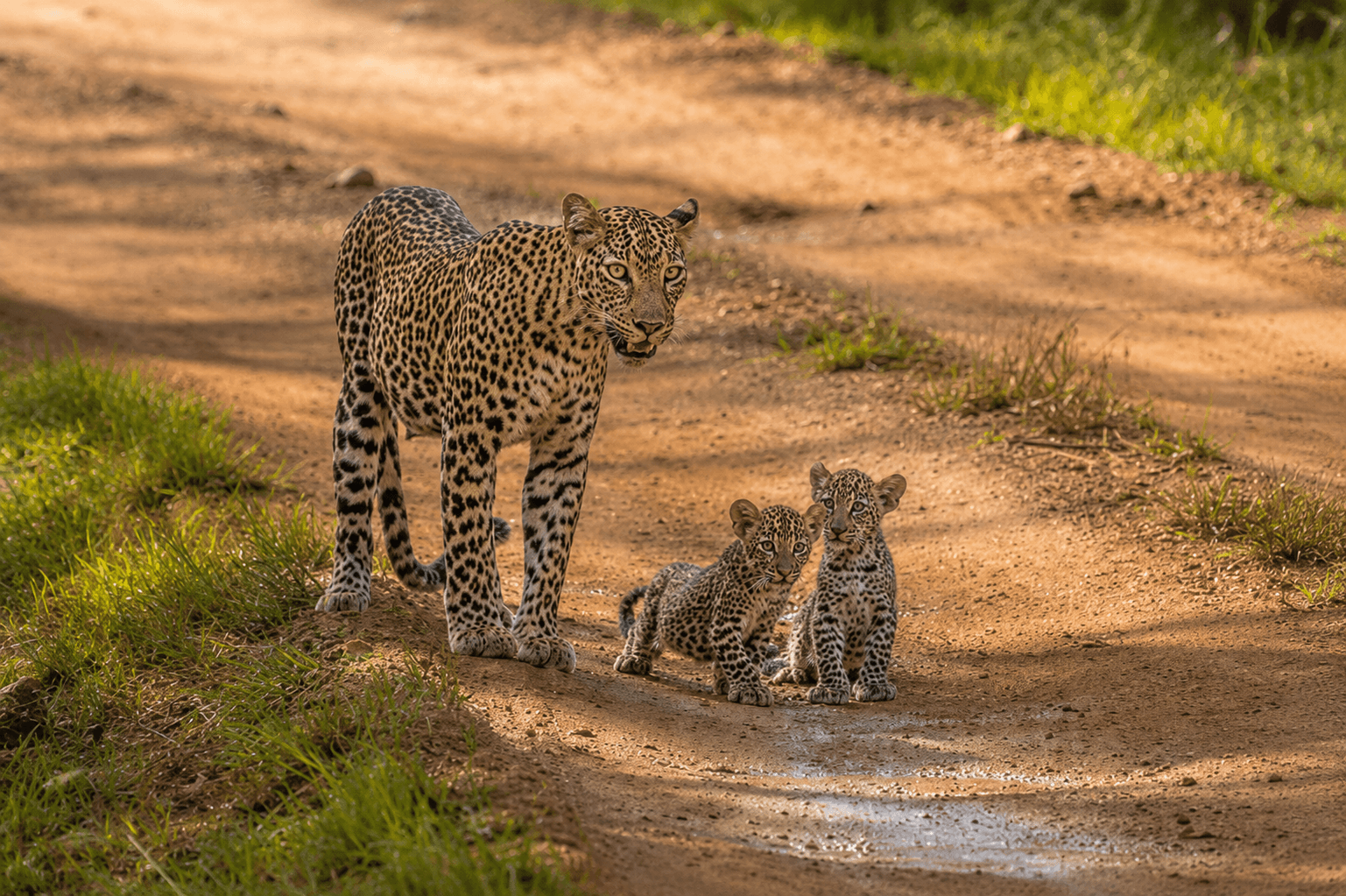
The best places to visit in Sri Lanka for nature lovers are Sinharaja rainforest for endemic birds; Horton Plains and the Knuckles for cloud forest and walking; Wilpattu and Yala for leopards; Udawalawe and Minneriya for elephants; Bundala and Kumana for birds; Kalpitiya for dolphins; Mirissa and Trincomalee for whales; Pigeon Island for reefs; and Peradeniya for plants. Combine forest, park and ocean for the full picture.
Key takeaways
- Sri Lanka has rainforest, cloud forest, dry zone, wetlands and reefs.
- Many plants and animals are endemic, found nowhere else.
- Leopards, elephants and blue whales are the headline species.
- Seasons differ by region; plan by month.
- Ethical operators matter: no feeding, chasing or crowding wildlife.
Forests and mountains
Sinharaja, a UNESCO-listed rainforest, is the best place to see Sri Lanka's endemic birds, lizards, frogs and trees. Guided dawn walks reveal mixed feeding flocks and creatures found nowhere else.
Horton Plains, a high plateau of grassland and cloud forest, offers the walk to World's End, sambar deer and endemic birds. The Knuckles Range, north-east of Kandy, has cloud forest, grasslands and villages, with trails for all levels.
Smaller forests such as Kanneliya near Galle and Udawattakele in Kandy are easy introductions.
The Knuckles also hold some of the island's least visited villages, such as Meemure, reached by a winding road and known for rivers, terraced fields and traditional life. Staying a night there combines nature and culture in a way few places in Sri Lanka can match.
- →Sinharaja: endemic wildlife.
- →Horton Plains: World's End and cloud forest.
- →The Knuckles: trekking and villages.
National parks
Yala and Wilpattu are the best parks for leopards, with Yala busier and Wilpattu quieter. Udawalawe is the most reliable for elephants year-round, and Minneriya and Kaudulla host the elephant gathering roughly July to October.
Bundala, near Hambantota, is a wetland park famous for birds, especially migratory waders and flamingos in the northern winter. Kumana, in the east, is excellent for birds and quiet safaris. Gal Oya offers boat safaris on a reservoir.
Lankan Stays & Trails chooses parks by season and by the traveller's priorities, so a leopard lover and a birder get very different routes.
For a quieter experience, Wasgamuwa, Maduru Oya and Lunugamvehera see few jeeps and reward patient travellers with elephants and birds. Choosing a quieter park for one of your safaris makes a big difference to how wild the experience feels.
- →Yala and Wilpattu: leopards.
- →Udawalawe and Minneriya: elephants.
- →Bundala and Kumana: birds.
The ocean
Mirissa is the main base for blue whale watching from roughly December to April, with sperm whales and dolphins also seen. Trincomalee offers whale trips in some spring months on the east coast. Kalpitiya, in the north-west, has huge pods of spinner dolphins roughly November to April.
Pigeon Island National Park, off Nilaveli, has shallow reefs with reef sharks, turtles and colourful fish, best roughly May to September. Hikkaduwa and Unawatuna have smaller reefs on the south-west coast.
Choose responsible whale-watching operators that keep a distance and limit time with the animals.
- →Mirissa: blue whales.
- →Kalpitiya: dolphins.
- →Pigeon Island: reefs.
Gentle nature
Not all nature in Sri Lanka needs a jeep or a boat. Peradeniya's Royal Botanic Gardens near Kandy are full of giant trees, bamboo, orchids and fruit bats. Tea estate walks in the hills offer views, birds and fresh air.
Lagoon trips at Bentota, the Madu Ganga, Kalametiya and Pottuvil give close views of mangroves, birds and crocodiles. Village tanks in the Cultural Triangle are full of birds at dawn.
These gentler experiences suit families, older travellers and anyone who wants nature at a slower pace.
- →Peradeniya gardens.
- →Tea estate walks.
- →Lagoon boat trips.
Planning a nature trip
Plan by season. The south-west, its rainforests and Mirissa's whales are best roughly December to April. The east coast reefs and parks are best roughly May to September. The elephant gathering peaks roughly July to October.
Bring binoculars, neutral clothing, leech socks for forests and a good field guide. Hire local naturalist guides; their knowledge transforms a trip.
- →December to April: south-west and whales.
- →May to September: east coast.
- →July to October: the gathering.
Frequently asked questions
What is the best place in Sri Lanka for nature?
The best place in Sri Lanka for nature depends on your interest: Sinharaja for endemic wildlife, Yala or Wilpattu for leopards, Udawalawe for elephants, Horton Plains for landscapes and Mirissa for whales. Combining a forest, a park and the ocean gives the full range. Add a gentle day in Peradeniya or on a lagoon for balance.
How many days do I need for a nature trip in Sri Lanka?
A nature-focused trip in Sri Lanka works well in 10 to 14 days, covering a rainforest, the hills, two parks and the ocean. With a week, choose one region, such as the south: Sinharaja, Udawalawe, Yala and Mirissa.
Is Sri Lanka good for birdwatching?
Sri Lanka is excellent for birdwatching, with over 30 endemic species and many migrants in the northern winter. Sinharaja, Horton Plains, Bundala, Kumana and the Cultural Triangle's tanks are among the best places. A local bird guide is highly recommended. The northern winter, roughly November to March, adds migrants to the resident species.
Where can I see endemic species in Sri Lanka?
The best places to see Sri Lanka's endemic species are Sinharaja rainforest, Horton Plains, the Knuckles Range and Kitulgala. Endemic birds, lizards, frogs and plants are concentrated in the wet zone and the hills. Early morning walks with local guides give the best chances.
Is whale watching in Sri Lanka ethical?
Whale watching in Sri Lanka can be ethical if operators keep a safe distance, limit time near whales and avoid crowding. Some boats behave poorly, so choose operators with clear codes of conduct and good reviews, and speak up if boats chase animals.
What is the best time for nature in Sri Lanka?
There is good nature somewhere in Sri Lanka all year. The south-west and its whales are best roughly December to April, the east coast roughly May to September, and the elephant gathering roughly July to October. Plan by region and season.
Which national park is least crowded in Sri Lanka?
Wilpattu, Kumana, Wasgamuwa, Maduru Oya, Gal Oya and Lunugamvehera are among the least crowded national parks in Sri Lanka. They see far fewer jeeps than Yala Block 1 or Minneriya in peak season, though sightings may need more patience.